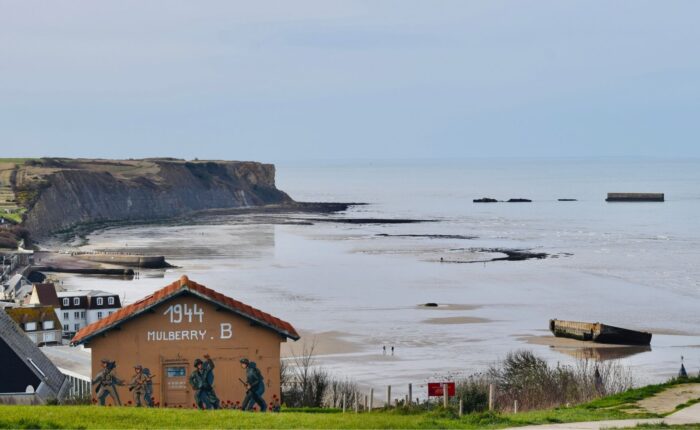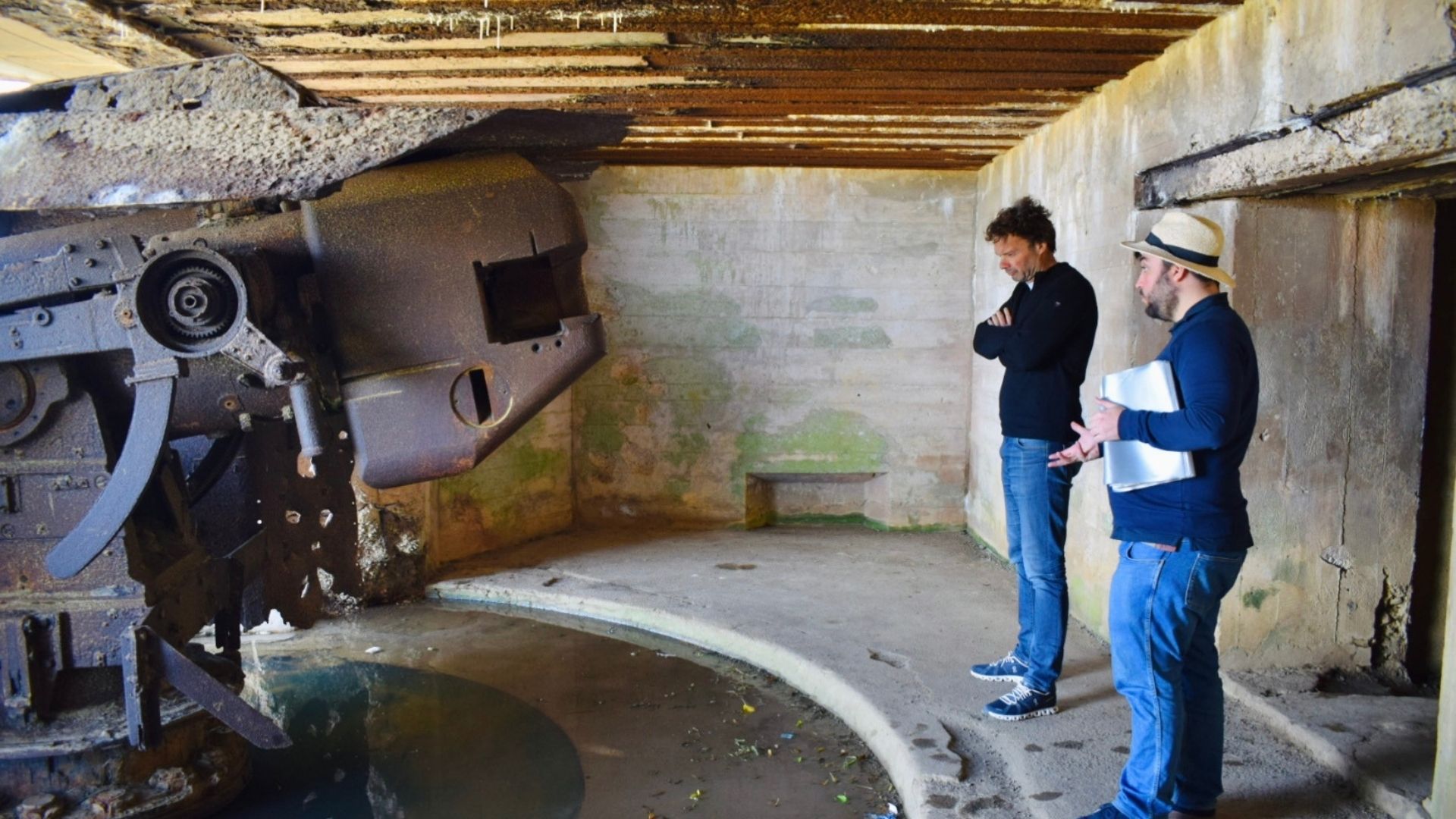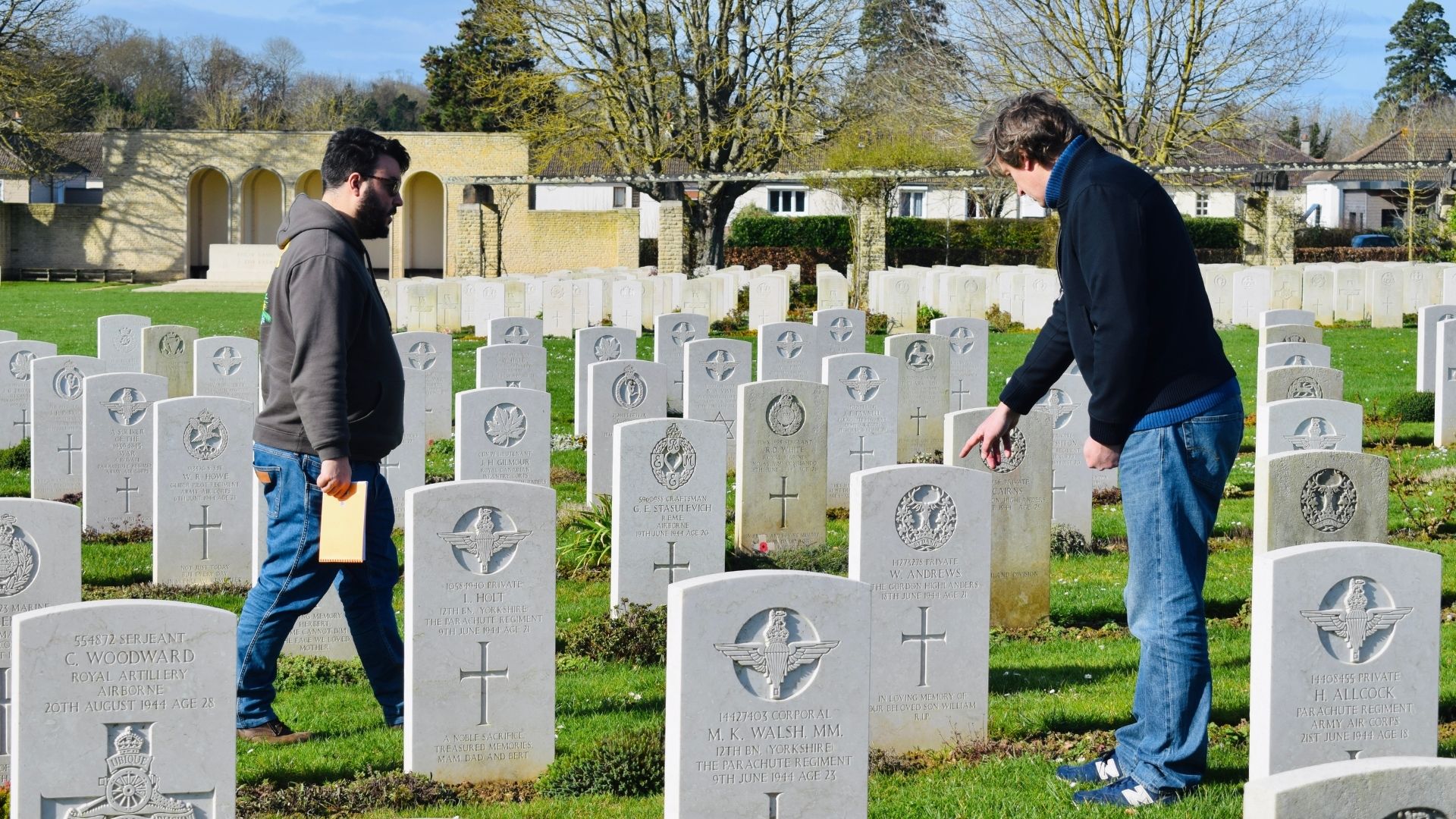


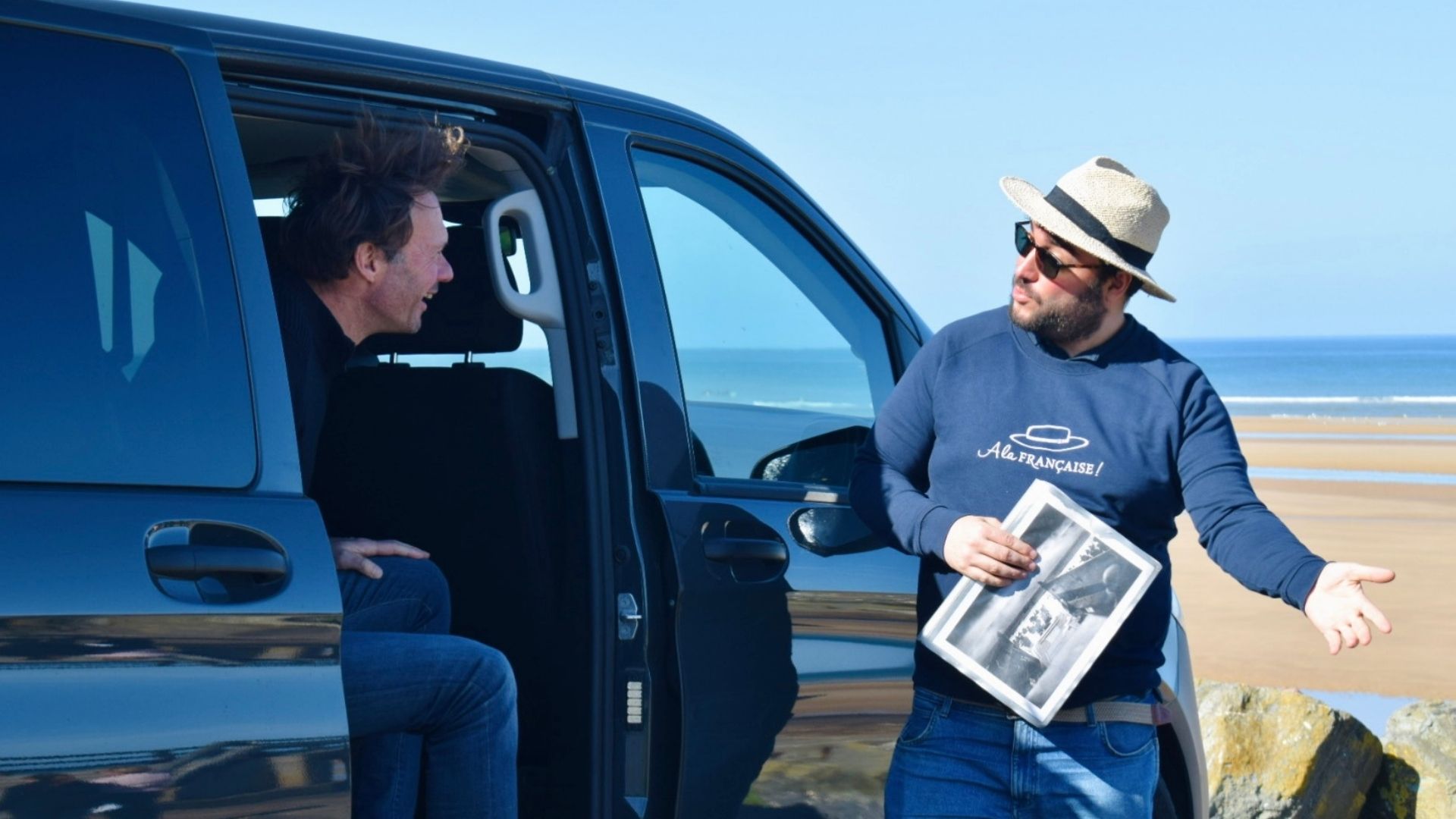
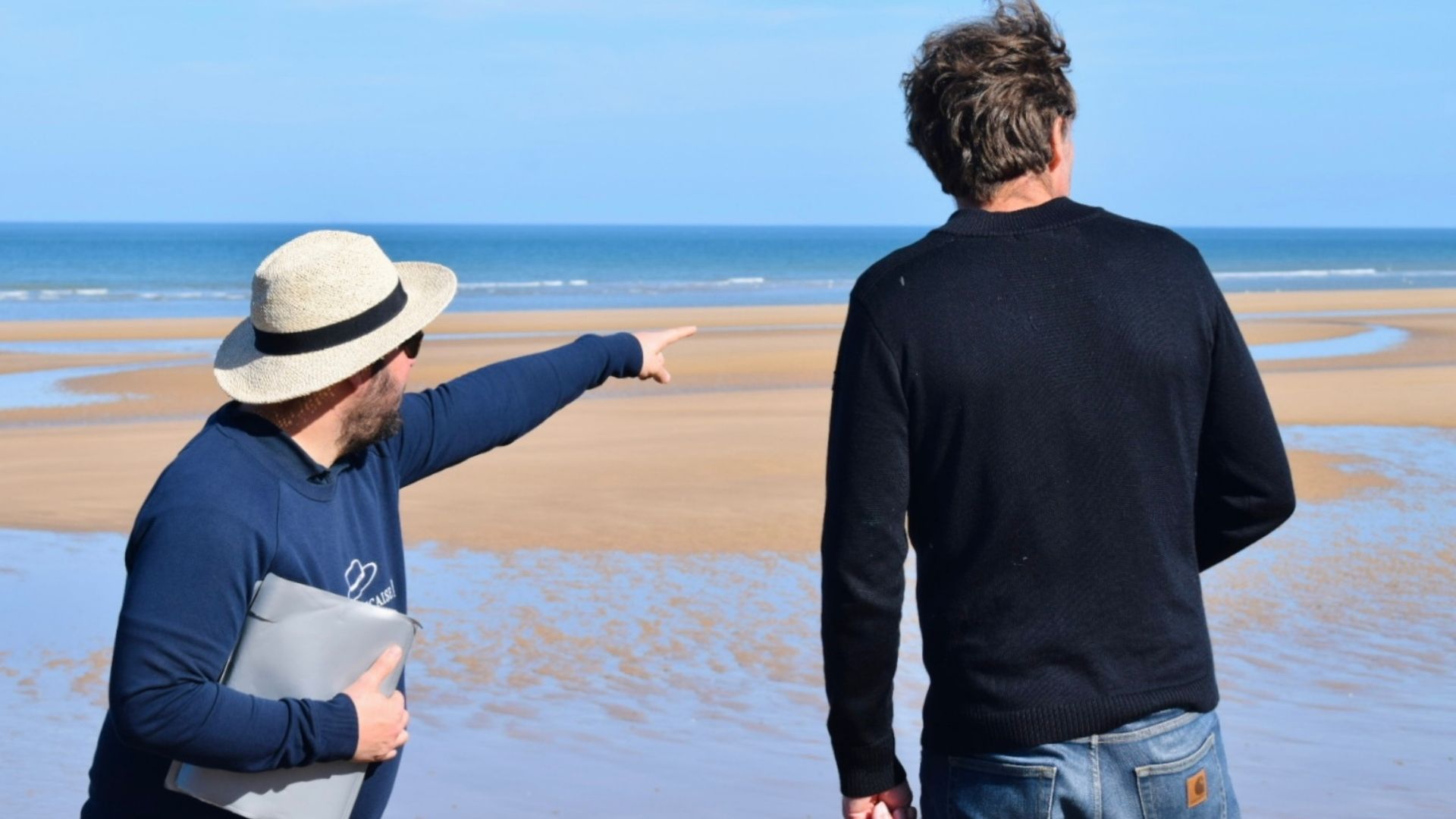
Explore the Canadian sector of the D-Day Landing Beaches a coastline forever bound to the story of a young nation that answered the call of history with courage, sacrifice, and an extraordinary determination. Begin at Juno Beach, the beating heart of the Canadian D-Day story. Visit the outstanding Juno Beach Centre Explore the fortified German strongpoint at Courseulles-sur-Mer, where some of the fiercest fighting on Juno Beach took place, and discover the story of the Nan sector beaches at Bernières-sur-Mer and Saint-Aubin-sur-Mer, Venture inland to the village of Bény-sur-Mer, where the Canadian War Cemetery one of only two Canadian cemeteries in Normandy.
Â
Explore the Canadian sector of the D-Day Landing Beaches a coastline forever bound to the story of a young nation that answered the call of history with courage, sacrifice, and an extraordinary determination to see the job through to the end.
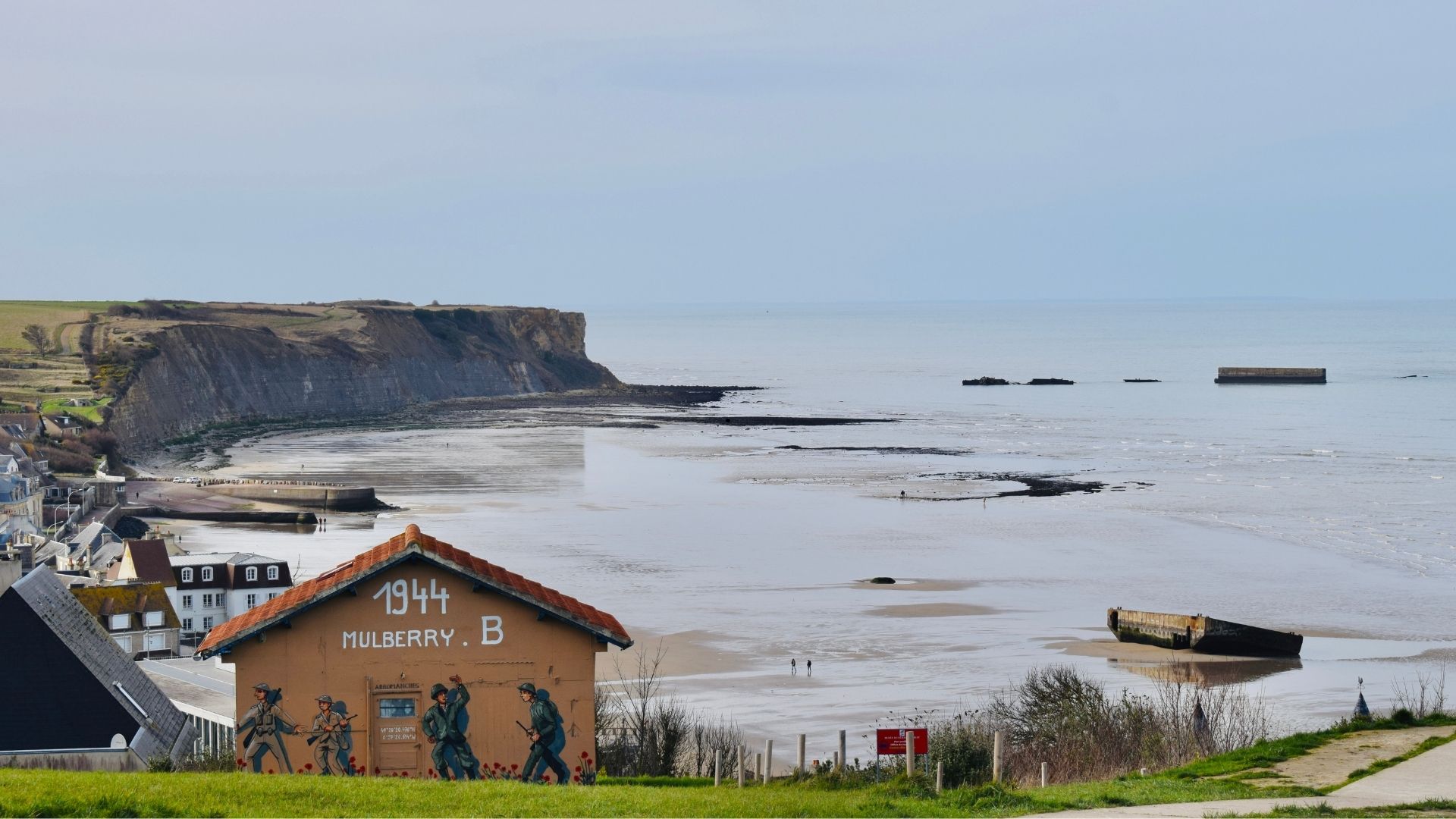
Begin at Juno Beach, the beating heart of the Canadian D-Day story. On the morning of June 6, 1944, men of the 3rd Canadian Infantry Division came ashore here against some of the most formidable coastal defences in the entire Allied landing zone. The casualties in those first terrible minutes were devastating and yet the Canadians broke through, pushed further inland than any other Allied force that day, and demonstrated a tenacity that left even their commanders astonished.
Visit the outstanding Juno Beach Centre Canada’s own memorial and museum on Norman soil, built by Canadian veterans and opened in 2003. Thoughtfully designed and deeply personal in tone, it tells the story of Canada’s war through the letters, photographs, and voices of the men and women who lived it, placing the D-Day landings within the broader sweep of Canada’s remarkable contribution to the Second World War.
Explore the fortified German strongpoint at Courseulles-sur-Mer, where some of the fiercest fighting on Juno Beach took place, and discover the story of the Nan sector beaches at Bernières-sur-Mer and Saint-Aubin-sur-Mer, where individual acts of heroism by Canadian soldiers and their supporting units turned the tide in the most desperate of circumstances.
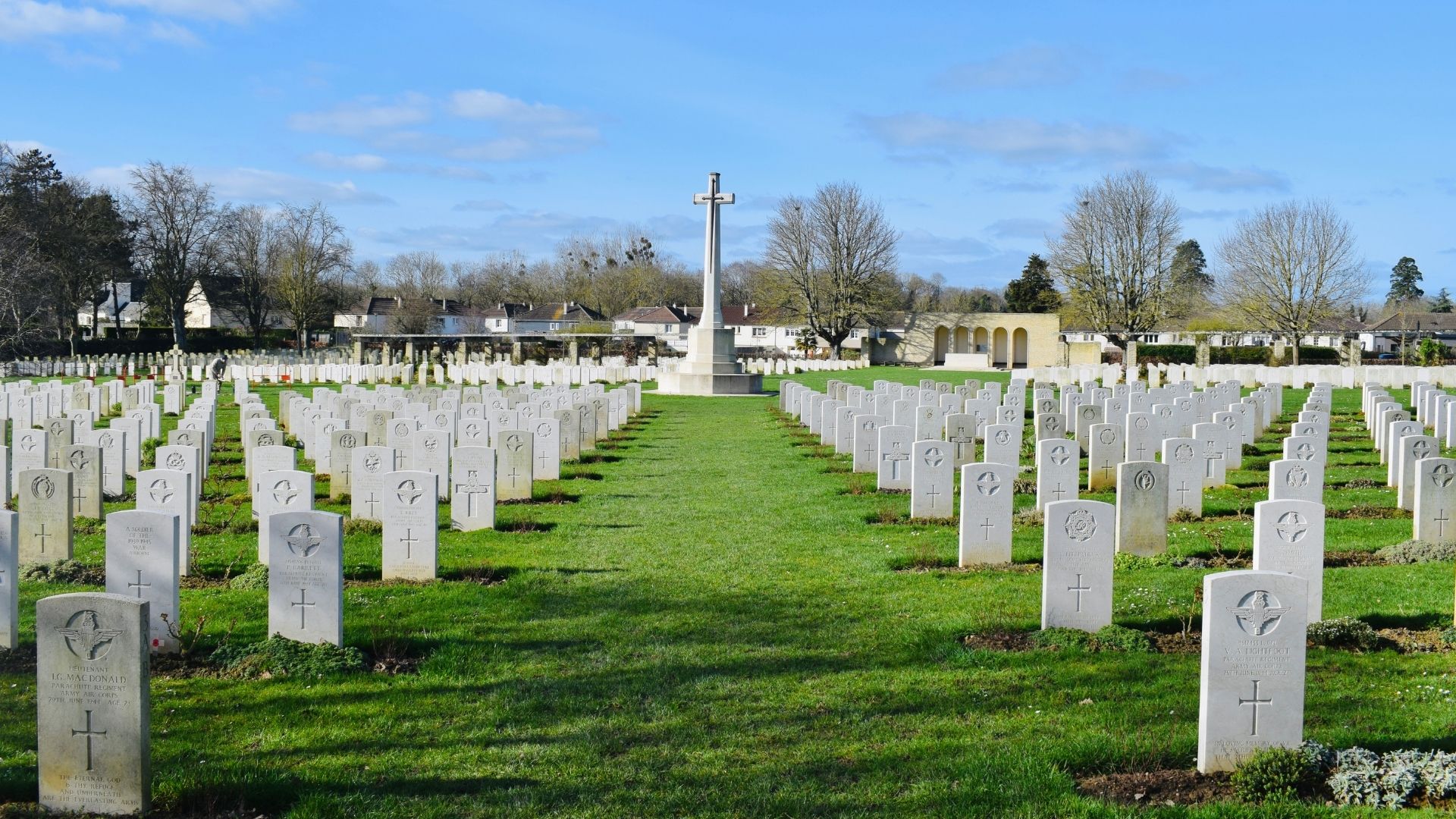
Venture inland to the village of Bény-sur-Mer, where the Canadian War Cemetery one of only two Canadian cemeteries in Normandy rests in quiet and immaculate dignity among the Norman fields. Nearly 2,000 Canadians lie here, many of them just teenagers when they fell. It is a place of profound stillness, and your guide will help you understand and honour the stories behind the headstones.
Continue to Villons-les-Buissons and the surrounding area to explore the Canadian advance beyond the beaches the hard-fought push inland that brought these young men face to face with some of Germany’s most battle-hardened divisions in the days and weeks that followed D-Day, at a cost that Canada has never forgotten.
For those with a particular interest in the airborne dimension, your guide can incorporate the story of the 1st Canadian Parachute Battalion, who dropped into Normandy alongside their British comrades in the early hours of June 6 and played a vital role in securing the eastern flank of the Allied landings.
Canadians of a certain age grew up knowing that June 1944 mattered in a specific national way. Not through Hollywood, but through family, community and a particular understanding that Canada’s contribution to the Second World War was enormous and is not always fully recognised beyond its own borders. Fourteen thousand men landed on Juno Beach on D-Day alone. The 3rd Canadian Infantry Division. The regiments whose names appear on armouries and streets across Ontario, Manitoba, Nova Scotia and British Columbia.
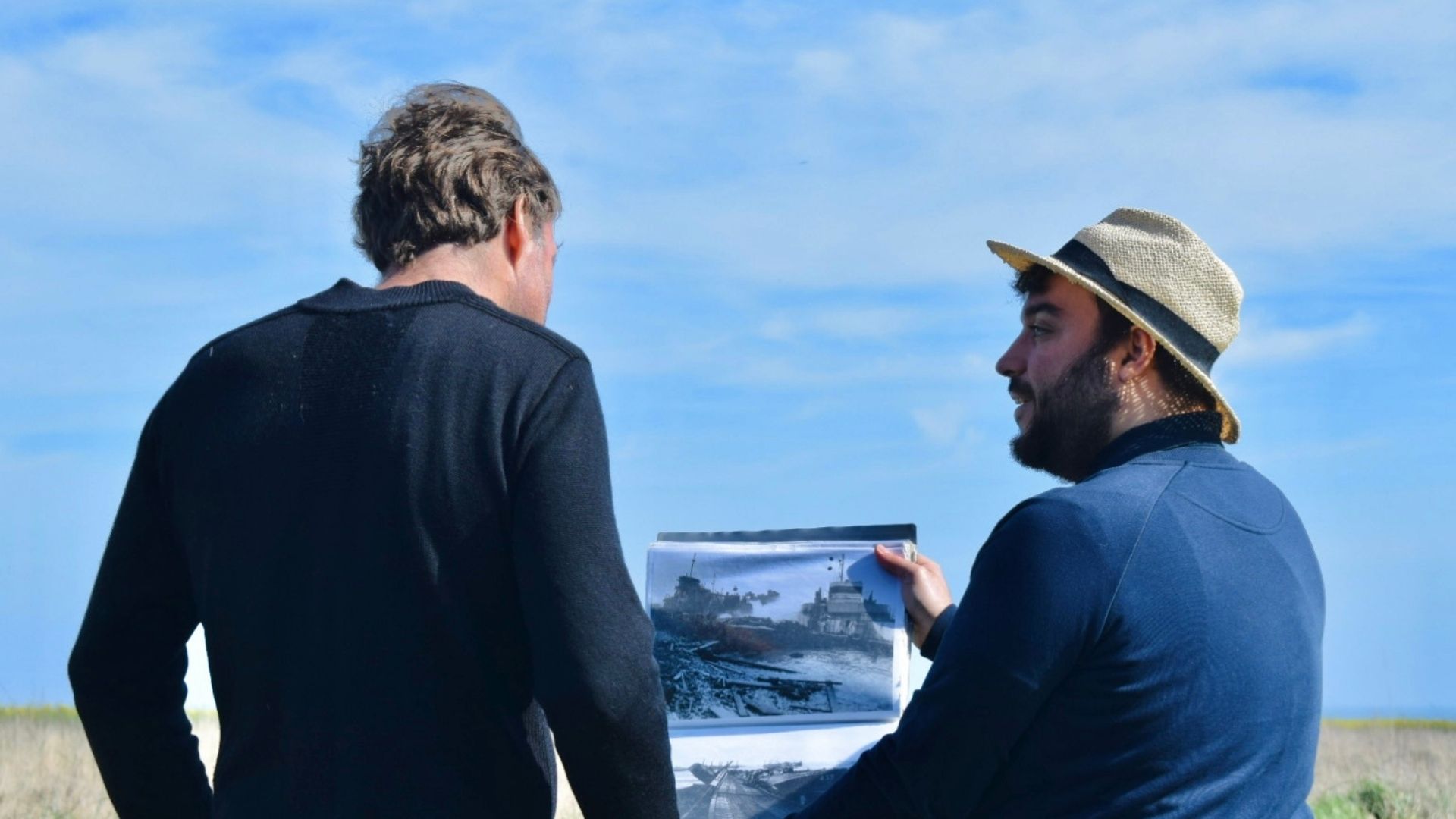
A private guide with deep knowledge of the Canadian landings brings that national story to life on the ground where it happened. The beaches, the villages, the cemeteries. A full day built entirely around the Canadian contribution to 6 June 1944.
Some Canadian Visitors arrive in Normandy carrying a name, a regiment and a photograph. They know their family member crossed that beach. What they do not yet have is the full picture the sea conditions that morning, the German defenses at the waterline, the casualties in the first minutes and what it took for men to get off the sand and into the town.
A private guide turns that partial picture into something complete. At Juno Beach the guide explains precisely what each regiment faced coming ashore. At Bény-sur-Mer, if you need time to find a name among the headstones, the day allows for it without apology. No group schedule moving you on. Just the story told properly on the ground where it happened.
Juno Beach is where the Canadian story on D-Day begins. It is not where it ends. The villages beyond the beach Bernières-sur-Mer, Courseulles, Saint-Aubin were fought through street by street in the hours that followed the landing. The advance inland carried its own cost. Canadian units pushed further on D-Day than any other Allied formation and paid heavily for it in the weeks of fighting that followed through Normandy.
A private full-day tour covers that full arc. The beach itself, the Juno Beach Centre, the ground beyond the waterline and the Commonwealth cemeteries where the price of that advance is recorded name by name. A guide who knows the regimental histories gives the whole story the weight it deserves.
Travelers who have done the reading arrive in Normandy with genuine knowledge. They know the regiment names. They have read the unit histories, the personal accounts, possibly Farley Mowat or other Canadian writers who documented the Northwest Europe campaign with the kind of honesty that came from having been there.
What a private guide provides someone who arrives already informed is not an introduction. It is a deeper conversation the tactical detail visible only on the ground, the sight lines that explain decisions made under fire, the distance between objectives that only makes sense when you are standing in the field looking at it. Prior knowledge is not wasted here. A private guide takes it further than any group tour can.
The Canadian War Cemetery at Bény-sur-Mer holds more than 2,000 graves. Almost every one of them is Canadian. Standing among those headstones for the first time is an experience that is difficult to prepare for regardless of how much you have read in advance. The ages. The regiment names. The hometowns Regina, Winnipeg, Hamilton, Vancouver carved into Portland stone in a field in Normandy.
A private tour allows the time this place deserves. No scheduled fifteen minutes. No group moving on around you. Your private guide provides the context that makes individual headstones readable rather than overwhelming — the regiment, the action, the date, the story behind the name. For Canadian visitors this cemetery carries a weight that is entirely specific to where you are from.
Canada’s contribution to the liberation of Northwest Europe is a source of genuine national pride that does not always receive the recognition it deserves outside Canada itself. For Canadian travelers making this journey, arriving in Normandy carries a particular meaning. This is not someone else’s history absorbed at a remove. These are Canadian regiments, Canadian cemeteries, Canadian towns whose names appear on the headstones and on the armoury walls back home.
A private full-day tour built entirely around the Canadian D-Day story is how you do this properly. A local guide who knows the regimental histories, the tactical detail and the human stories behind the names. Time at Juno Beach, time at the cemeteries, time in the villages where Canadian soldiers fought street by street on the afternoon of 6 June 1944.
Please provide us with your pickup address/Hotel in Caen via email [email protected] or via messages/WhatsApp +33633860314
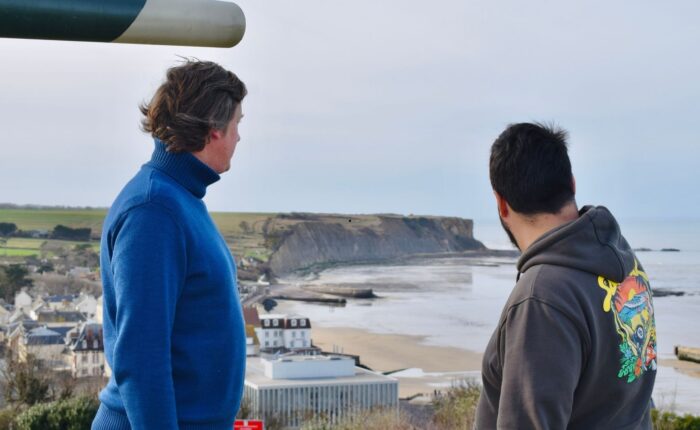
The tour is conducted in English. Other languages are available on request, depending on guide availability at the time of your visit.
Absolutely this is one of the most popular combinations. Many families do the Bayeux walking tour in the morning before or after their D-Day beaches tour.
Â
No prior knowledge is needed. Your guide will build the full picture from the ground up the context of the Second World War, Canada’s decision to commit, the planning and preparation for June 6th, what happened on Juno Beach hour by hour and what the weeks that followed cost. Travelers who arrive knowing the broad outline and those who arrive knowing very little both leave saying they understood something by the end of the day that they had not understood before.
Juno Beach and the Canadian story are particularly well suited to younger visitors because the human scale of it is so immediate and so tangible. The Juno Beach Centre is engaging for a wide age range and your guide knows how to connect younger travelers to the reality of what happened here without making it feel like a history lesson. Many Canadian families tell us that standing on Juno Beach together became one of the most significant moments of their children’s understanding of where they come from and what their country did. If you have younger members in your group mention their ages when booking and your guide will plan accordingly.
If you need to cancel your tour, here is how our cancellation policy works:
Up to 7 days before the tour: full refund of the tour price, minus the cost of tickets.
6 to 4 days before the tour: 75% refund of the tour price, minus the cost of tickets.
4 to 2 days before the tour: 50% refund of the tour price, minus the cost of tickets.
Under 48 hours before the tour and no show: no refund.
Please note that a 5% booking fee is deducted from any refund amounts.