
Private Normandy DDay Trip to British Beaches from Bayeux

0

Directly from your hotel in Bayeux  spend a full and profoundly moving day exploring the British sector of the D-Day Landing Beaches  a stretch of Normandy coastline.Begin at Gold Beach, where British forces pushed further inland on D-Day than any other Allied sector. Continue to the remarkable Arromanches-les-Bains, where the remains of the ingenious Mulberry Harbour. Visit the Musée du Débarquement, Move along the coast to Juno Beach, and Sword Beach  the easternmost of the Allied landing zones. Venture inland to the legendary Pegasus Bridge, and Pay your respects at the Commonwealth War Graves Commission cemeteries 

  • 9 Hours
  • 100% Private
  • Local Guide
  • Hotel Pick-up & Drop-off
  • Private Vehichle

Highlights

  • Expert local guideGain insider knowledge and rich storytelling from a local guide who brings history, art, and culture to life
  • Multiple destinations in one dayDiscover the British landings on Gold and Sword Beaches and why they were crucial to D-Day.Visit Longues-sur-Mer Battery and Arromanches, Pay tribute at the British Normandy Memorial in Ver-sur-Mer, Ryes War Cemetery, and Pegasus Bridge.
  • Private transportationEnjoy a comfortable journey in an air-conditioned vehicle with hotel pick-up and drop-off.
  • Curated ItineraryEnjoy a perfectly balanced trip with guided visits and breaks for coffee and lunch.

What to expect on your Private Day Trip to British Beaches from Bayeux

Your dedicated private guide will collect you directly from your hotel in Bayeux for a full and profoundly moving day exploring the British sector of the D-Day Landing Beaches  a stretch of Normandy coastline where courage, sacrifice, and determination wrote some of the most remarkable chapters in the history of the British nation.

Discover the deeply human stories of the men who landed on these shores from the sea and the sky in the early hours of June 6, 1944  and of the French communities who lived through the liberation at enormous cost.

Begin at Gold Beach, where British forces of the 50th Infantry Division came ashore against fierce resistance and pushed further inland on D-Day than any other Allied sector. Walk the beach, breathe the sea air, and let your guide paint a vivid picture of what unfolded here.

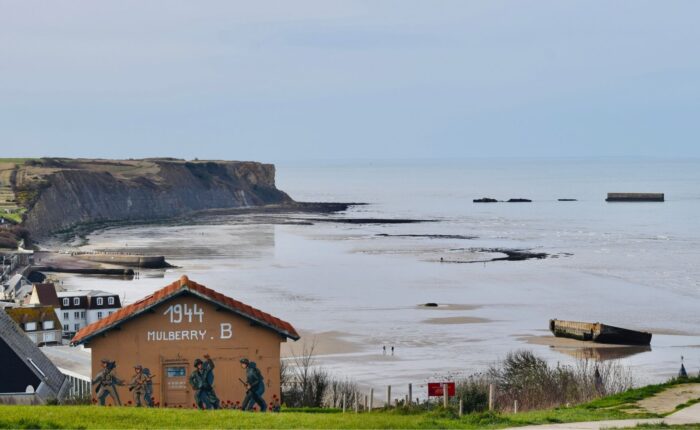
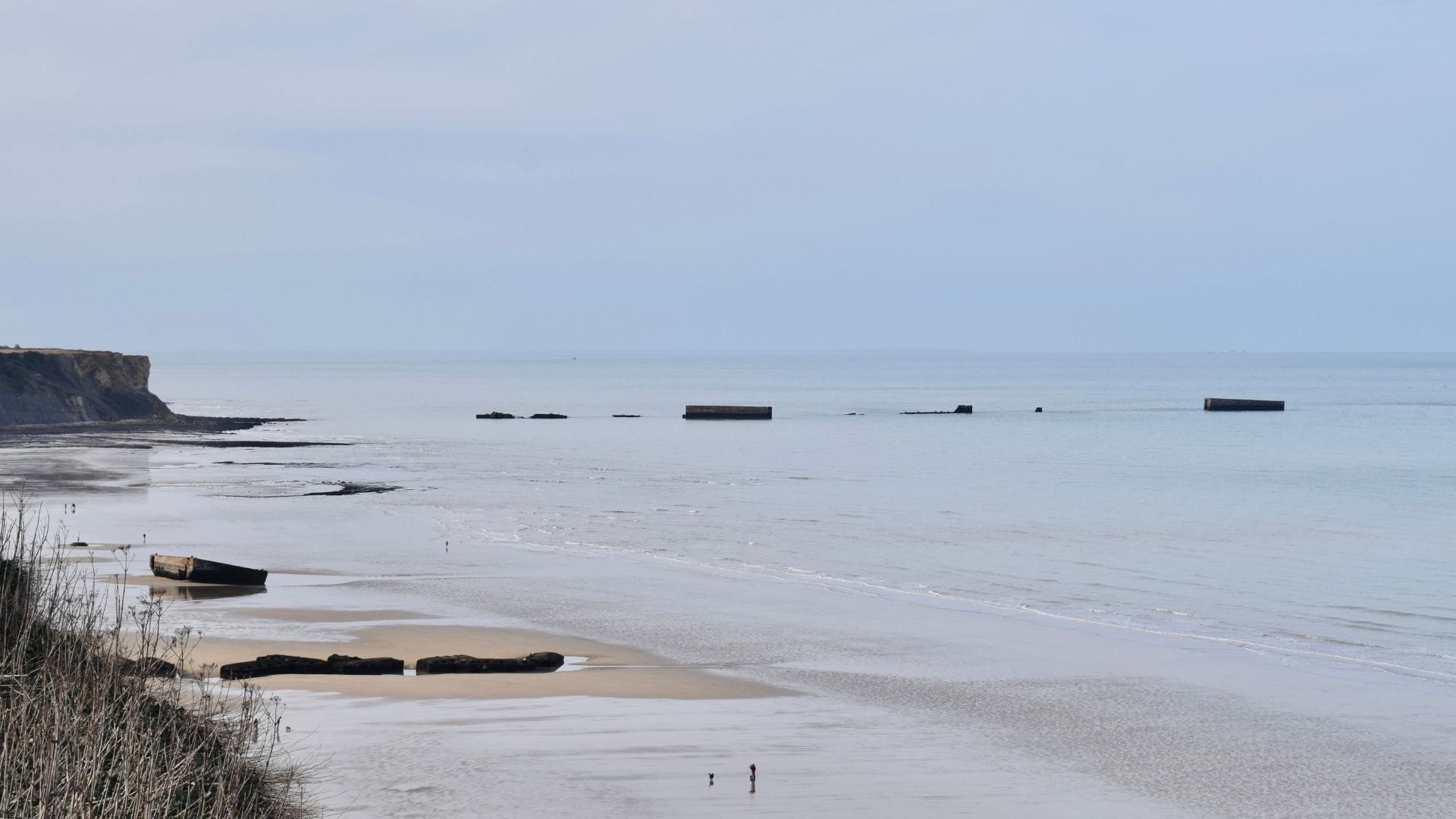
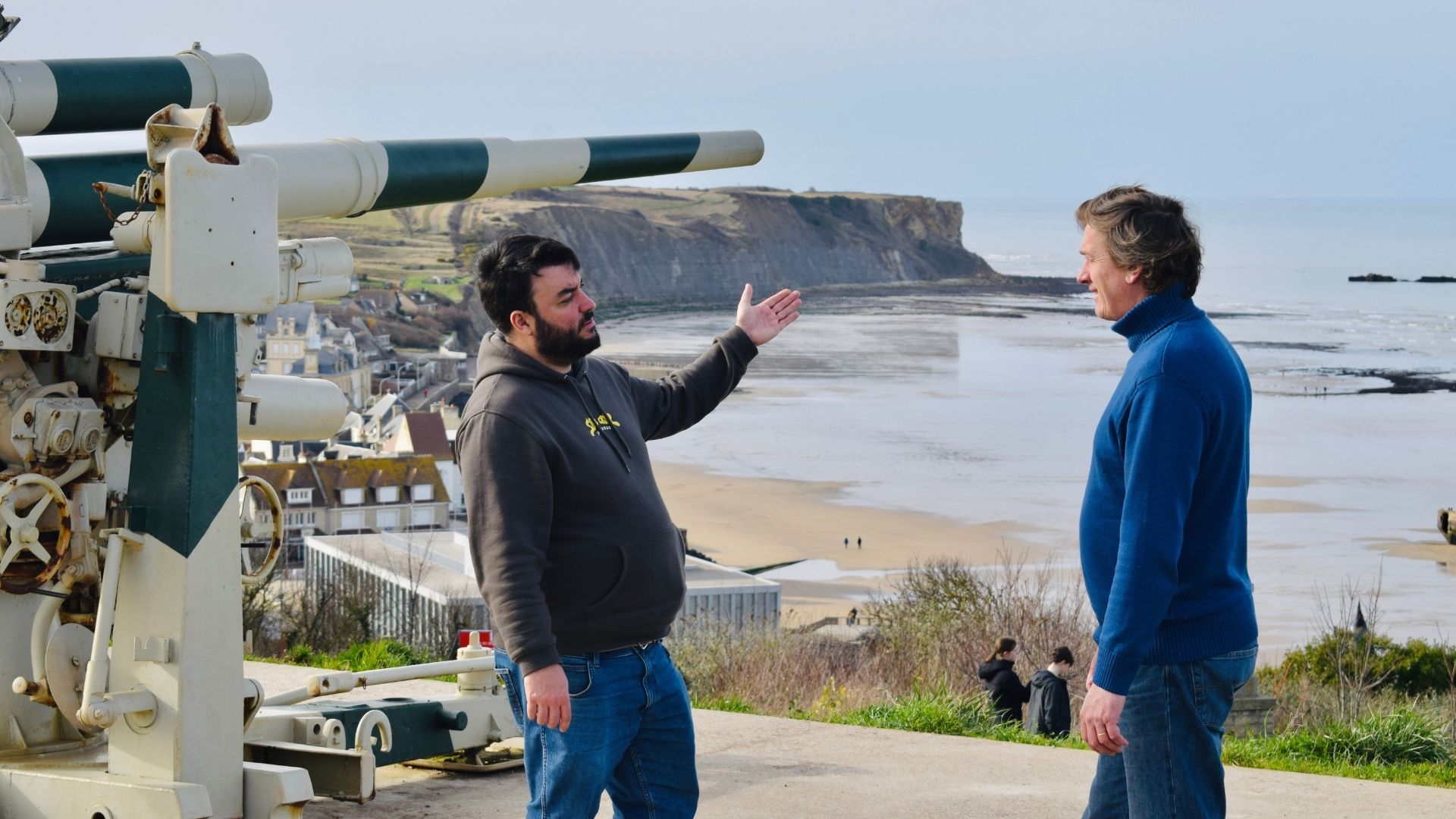
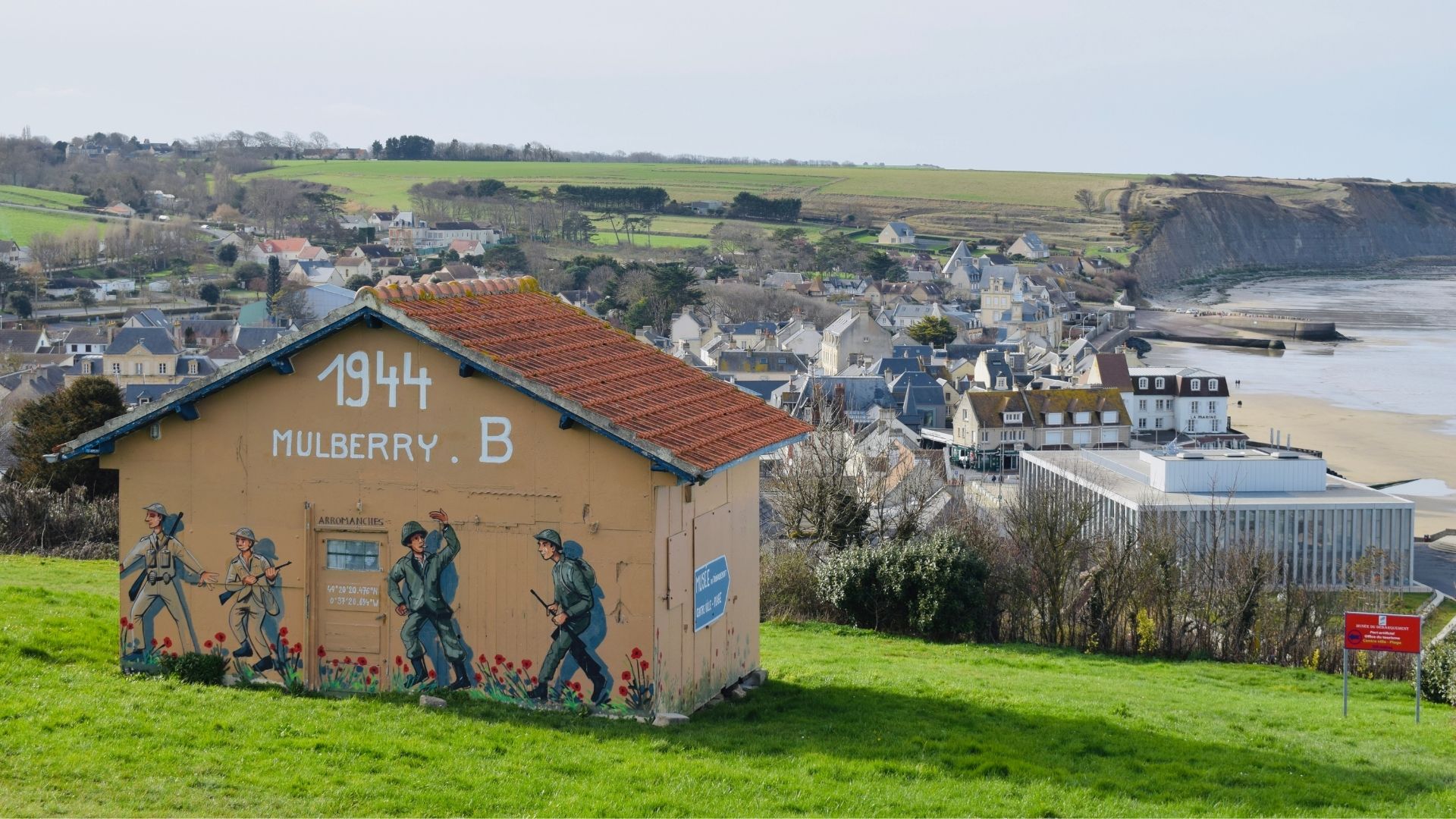
Continue to the remarkable Arromanches-les-Bains, where the remains of the ingenious Mulberry Harbour. Visit the Musée du Débarquement, perfectly positioned overlooking the bay.

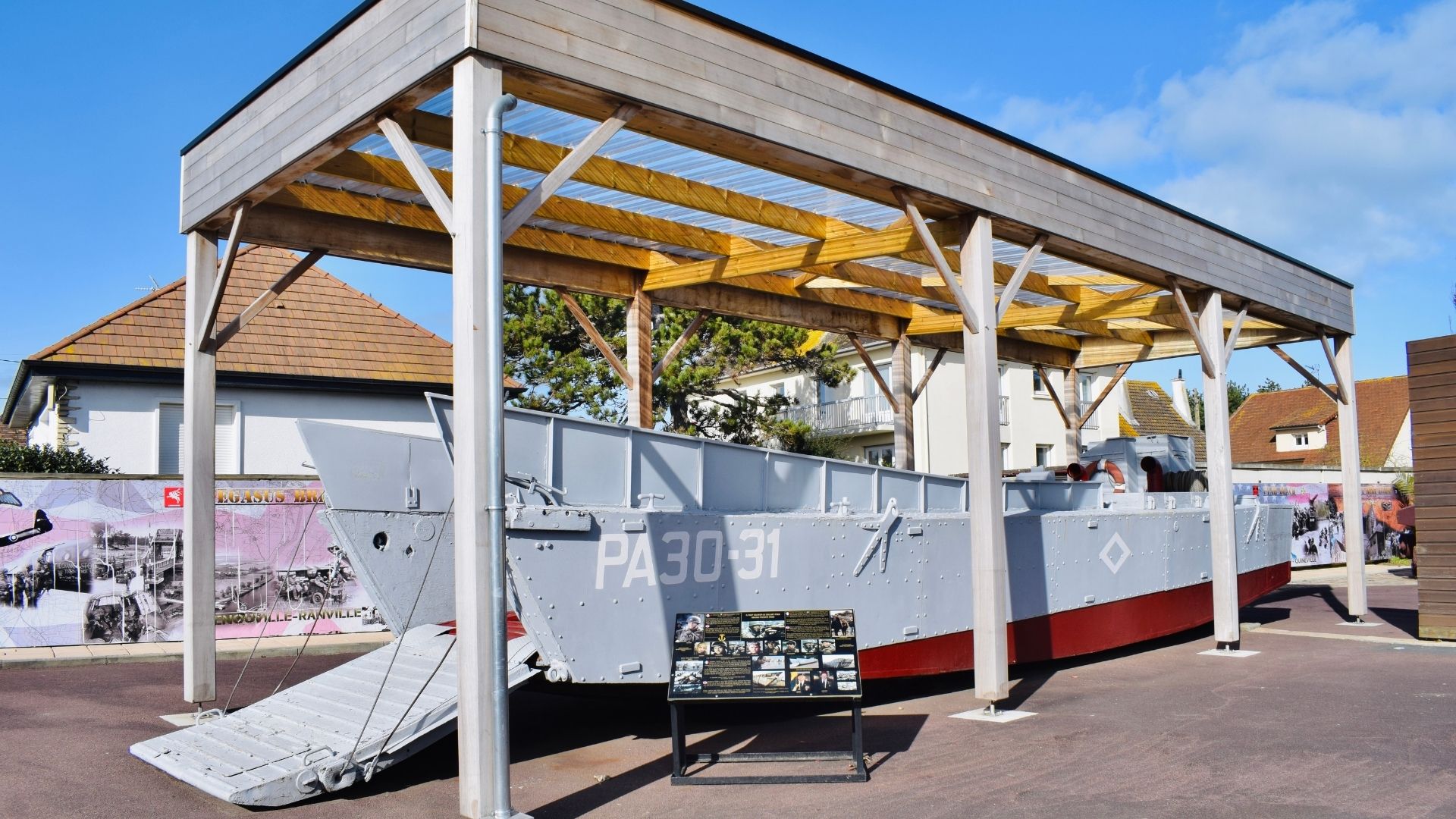
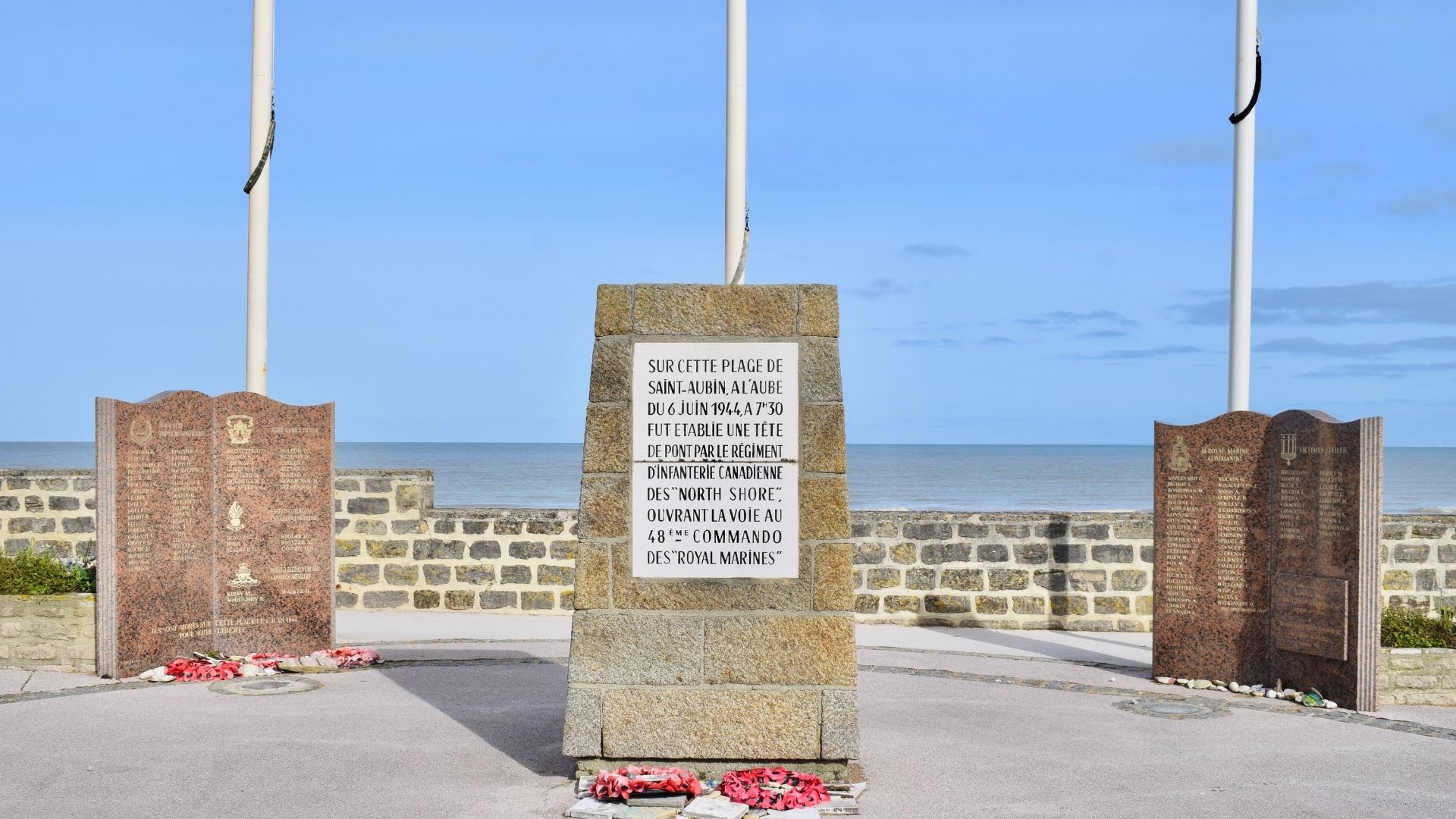
Move along the coast to Juno Beach, where Canadian forces stormed ashore alongside their British allies, suffering heavy casualties in the opening minutes before breaking through and advancing with extraordinary speed.

At Sword Beach Stand at the water’s edge and look out across the Channel towards the English coast, just visible on a clear day, and reflect on what it meant to make that crossing.

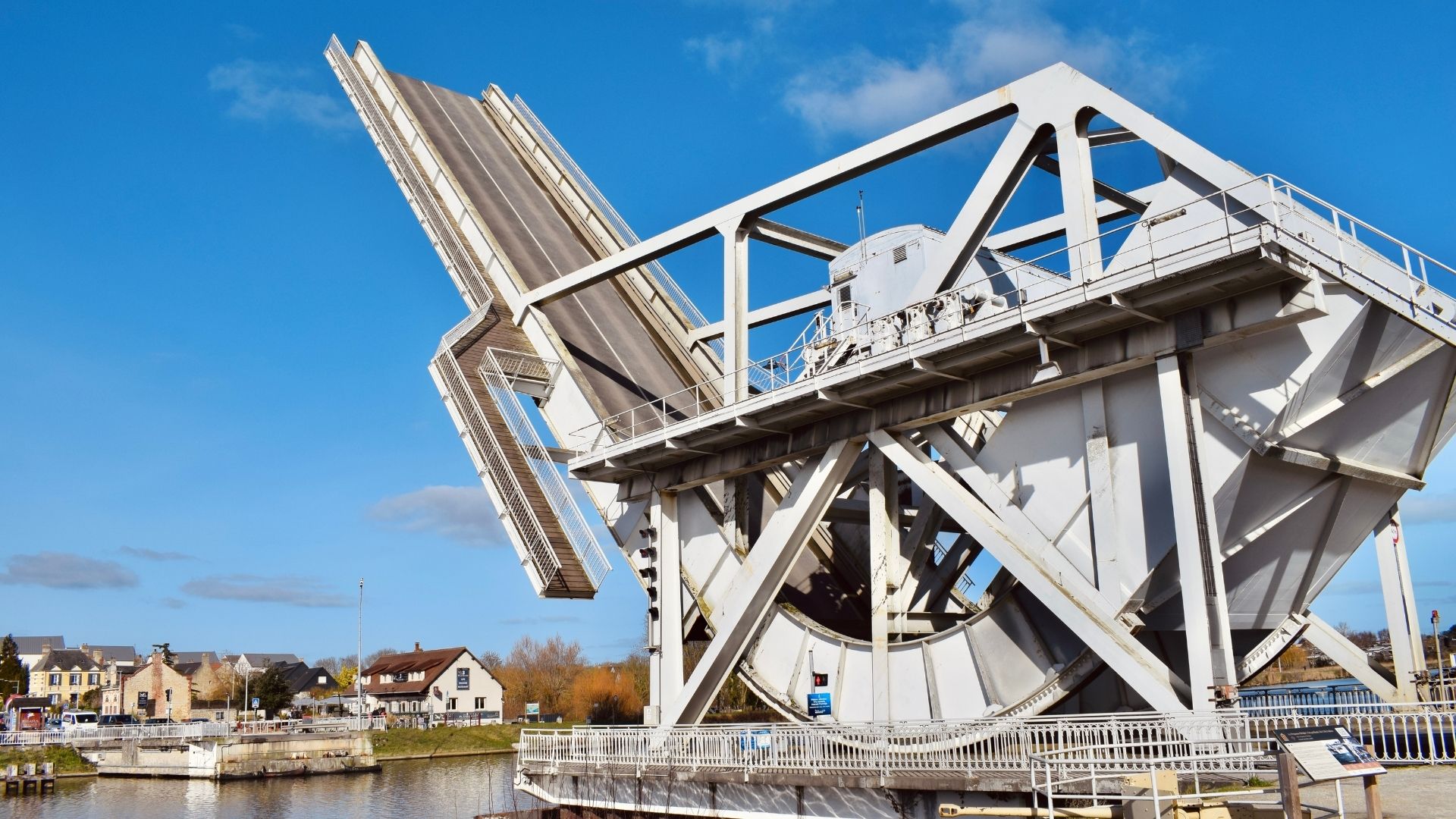
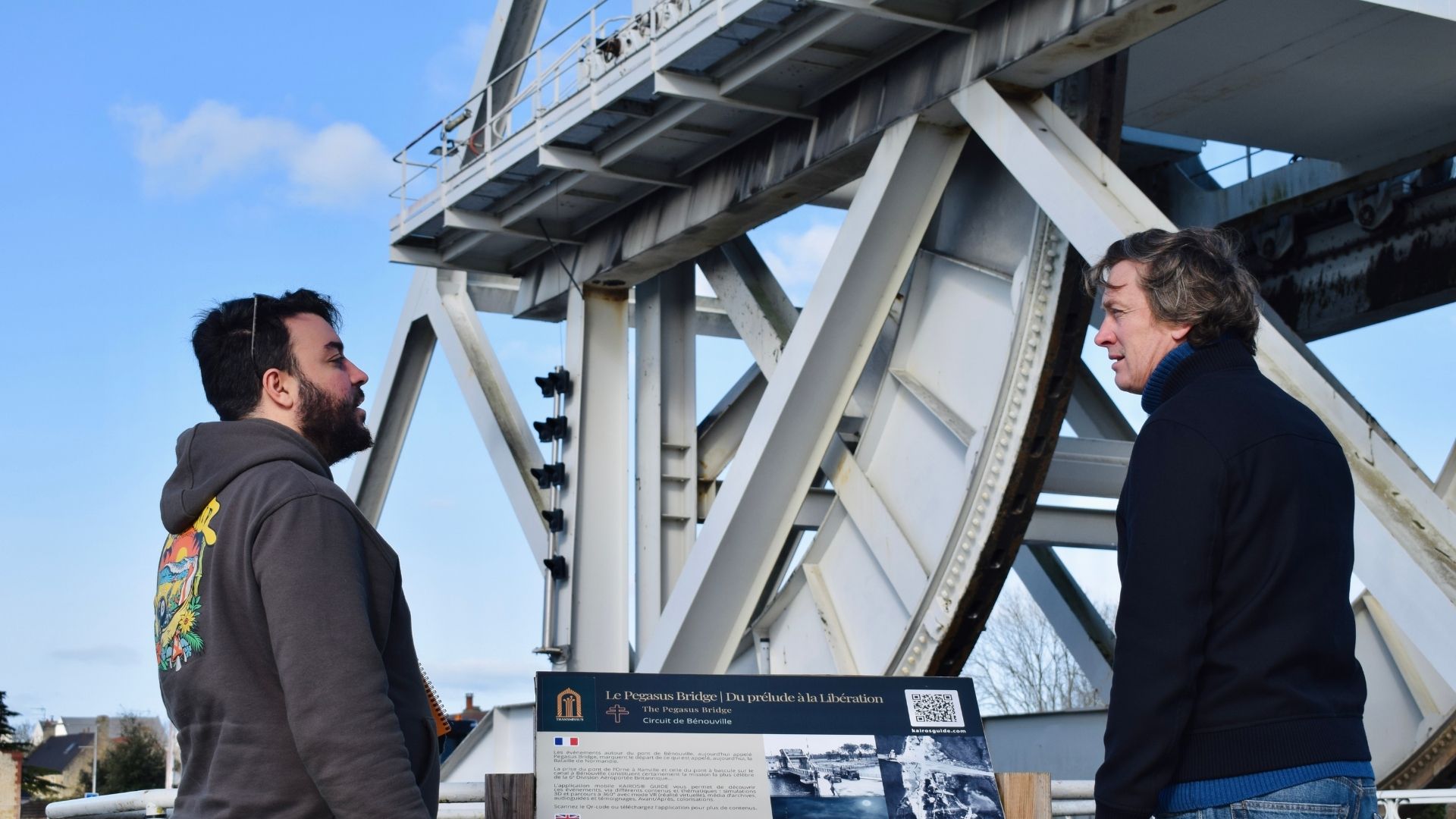
Venture inland to the legendary Pegasus Bridge  one of the most celebrated objectives of the entire D-Day operation. In the very first minutes of June 6, British gliders landed with astonishing precision beside this vital canal crossing.

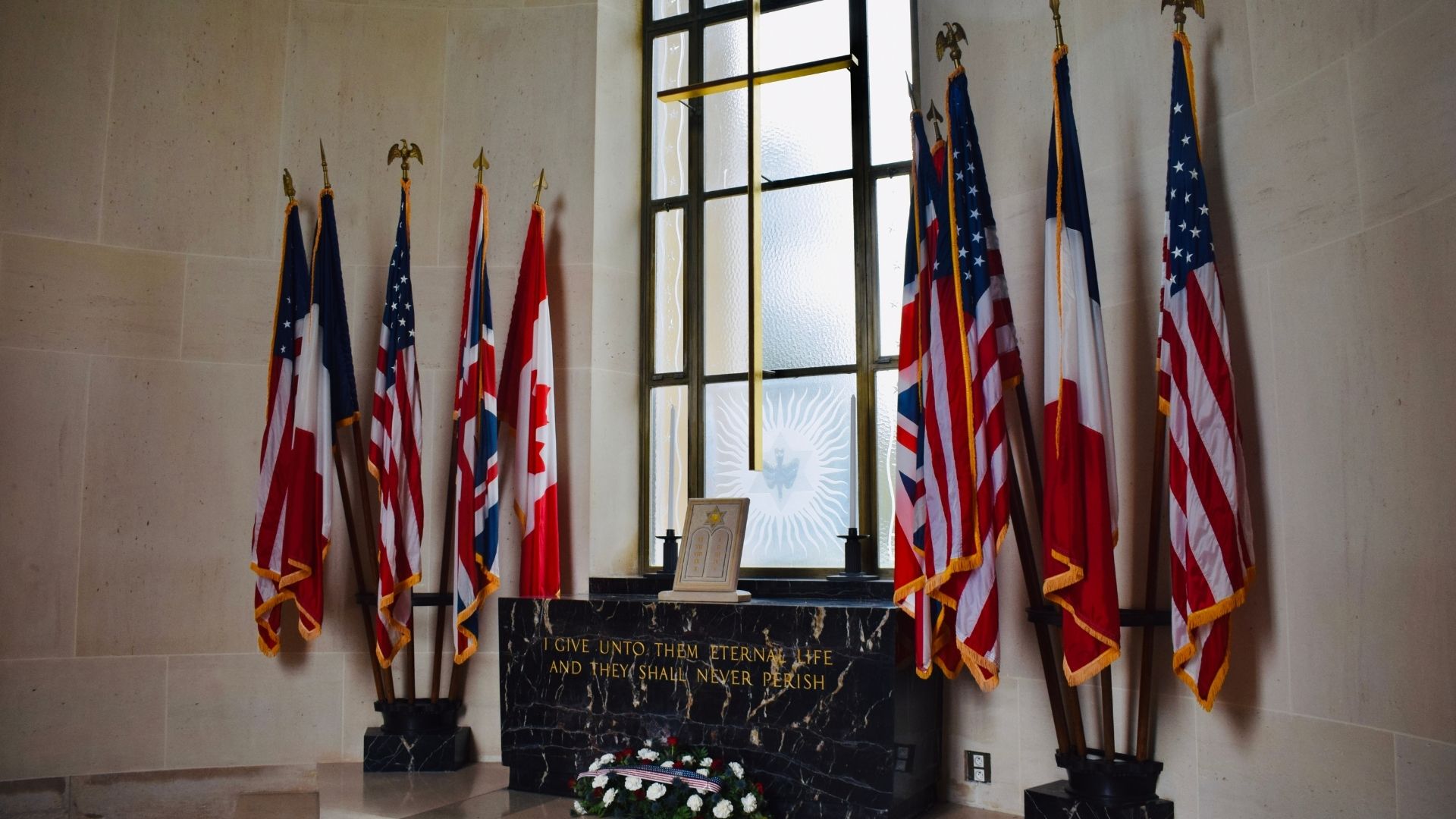
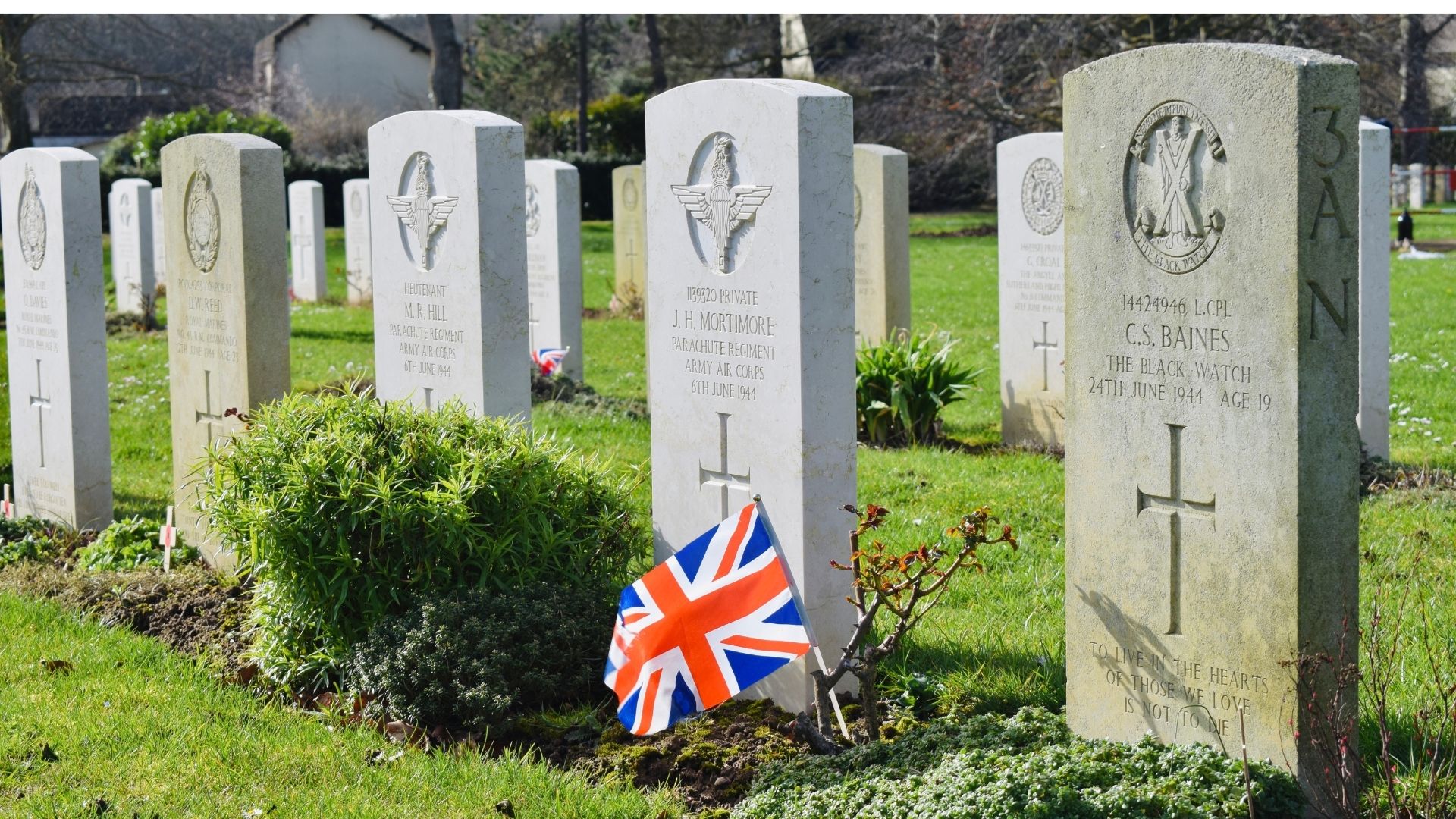
Pause to pay your respects at one of the beautifully tended Commonwealth War Graves Commission cemeteries that dot this landscape  places of extraordinary tranquillity and dignity, where the immaculate headstones and lovingly maintained gardens speak of a gratitude and a grief that time has not diminished.

Want to Understand What Happened on the British Beaches and Why It Matters Just as Much

Visitors who arrive in Normandy having absorbed their D-Day history primarily through an American lens.

A private guide who knows the British beaches as thoroughly as the American sites changes that entirely.

Gold Beach, where the British 50th Infantry Division landed and pushed further inland on D-Day than any other Allied formation. Sword Beach, the easternmost landing point, where British forces had to reach Caen by nightfall and did not. And Pegasus Bridge, where British glider troops landed in darkness in the early hours of June 6th and seized a critical crossing before a single Allied soldier had set foot on a beach. They are a parallel story of equal scale, equal sacrifice and equal tactical complexity. 


You have a Family member Who Served on D-Day. Want to Visit the Specific Places

You are not arriving in Normandy as a general history enthusiast. You are arriving because someone in your family was here. A grandfather who landed on Juno Beach with the Royal Winnipeg Rifles and never spoke about it in any detail for the rest of his life. A great-uncle who crossed Pegasus Bridge with the Ox and Bucks Light Infantry in the first minutes of D-Day and came home changed in ways the family never fully understood. A relative whose name is on a headstone in one of the Commonwealth War Graves Commission cemeteries that sit quietly in the Norman countryside between the beach villages.

Standing in those places with a private guide who understands both the military history and the weight of what it means to be there for personal reasons is a completely different experience from standing there alone with a guidebook or moving through as part of a group tour on a fixed schedule.

Your guide adjusts the day to what you need. More time at the cemetery. A longer conversation about what the tactical situation meant for the specific unit your relative served in. A moment of quiet when that is what the visit requires.

The British beaches are full of these stories. A private guide helps you find the one that belongs to your family.

Want to Understand the Full Scope of What Happened on D-Day Not Just the Beaches but the Airborne Operations, the Flanks, the Strategic Picture

Omaha Beach is not the whole story of D-Day. To understand why the operation succeeded what the British forces contributed, how the airborne operations on both flanks shaped everything that followed you need a full day and a guide who can hold the entire picture together.

The British sector stretched from Gold Beach west to Sword Beach east, with Juno between them. Behind the beaches, British airborne troops operated from midnight  seizing Pegasus Bridge, destroying the Merville Battery, holding the eastern flank. A private guide stitches each operation into a coherent narrative across the ground, so by day’s end you understand not just each individual site but how everything connected into the operation that changed the course of the war.


You know the Outline. Now how about a Guide Who Can Go Beyond the Standard Explanation and Have a Real Conversation

Many British travelers arrive in Normandy having already done serious preparation. They have read Beevor or Hastings or the regimental histories. What they want is not an introduction but a genuine local expert who can take the conversation further  who knows the detail that does not make it into general histories and finds specific questions interesting rather than disruptive.

A private guide working exclusively with your group has no reason to keep explanations at introductory level. If you want to discuss the failure of the DD tanks and what it meant for the infantry behind them, that conversation happens fully. The guide matches your level of knowledge and goes beyond it, on the ground where everything actually took place.

Want to Visit the Commonwealth Cemeteries Properly With Time, With Silence and the Respect it deserves.

There are more than twenty Commonwealth War Graves Commission cemeteries in Normandy. Standing in one for the first time is an experience difficult to prepare for regardless of how much you have read. A private guide changes what happens in those moments  not by talking continuously, but by providing context that makes individual headstones legible rather than overwhelming.

The regiment this man served with. The action in which he died. The age that appears again and again on stones in a row. For British  travelers these cemeteries carry specific gravity  the names are familiar, the regiments still exist, the towns of origin are towns you know. A private tour allows the time these places deserve, not a scheduled fifteen minutes but as long as your group genuinely needs.


Your Country's Story. and visit what matters to you

For British  travelers of a certain age, the Normandy landings were never distant military history absorbed through films. They were the background noise of a childhood. The grandfather who came home quiet. The Remembrance Sunday silences that meant something specific because someone who sat at your table had been there. You did not need Saving Private Ryan to explain why Normandy mattered. You already knew.

What a private guide gives someone arriving with that personal and national connection is depth no group tour can match. The conversation starts further along. You are taken inside the story  the specific regiment, the specific village, the specific morning, the names on headstones that match the streets in the town where you grew up.

Meeting Point

Please provide us with your pickup address Hotel in Bayeux via email [email protected] or via messages/WhatsApp +33633860314
Reviews

Day Trip
From€780
Save To Wish List

Adding item to wishlist requires an account

4849

FAQ

What language is the tour in?

The tour is conducted in English. Other languages are available on request, depending on guide availability at the time of your visit.

Which sites are covered on this full-day tour?

This tour covers the full breadth of the British and Commonwealth D-Day story across Gold, Sword and Juno beaches and the airborne operations that preceded them. You will visit the Pegasus Bridge site at Bénouville, where the British 6th Airborne Division landed by glider in the early hours of June 6th in one of the most audacious operations of the entire war. From there the day moves through the British landing beaches  Gold Beach at Arromanches with its extraordinary surviving Mulberry harbour, and Sword Beach at Ouistreham where the British 3rd Infantry Division came ashore with Caen as its objective. Your guide will connect the sites into a single coherent story across the full day.

What is the Pegasus Bridge site and why does it matter?

Pegasus Bridge over the Caen Canal was the first objective seized by Allied forces on D-Day. In the early hours of June 6th 1944, six Horsa gliders landed with extraordinary precision beside the bridge and the men of the Oxfordshire and Buckinghamshire Light Infantry captured it intact within minutes. Holding it was critical  it prevented German armour from reaching the beaches during the landings. The original bridge is now preserved at the nearby Mémorial Pegasus museum and the café where the first French civilian was liberated still stands. Your guide knows the full story and tells it in a way that brings the darkness and the noise of that night back to life.

We are traveling with children or teenagers. Will they engage with this?

The British D-Day story contains some of the most dramatic and immediate human moments of the entire Normandy campaign gliders landing in darkness, a bridge seized in minutes, men wading ashore under fire within sight of a city they would not reach for weeks. These are stories that land powerfully with younger visitors when they are told well and on the ground where they happened. Your guide adjusts the tone and depth to suit every age in the group. Many British families tell us that the day became a conversation between generations that they could not have had anywhere else. If you have children or teenagers in your group mention their ages when booking so your guide can plan accordingly.


Do we need prior knowledge of British military history or the D-Day landings?

No prior knowledge is required. Your guide will provide everything needed to understand what you are seeing  the strategic context of Operation Overlord, the role assigned to British and Commonwealth forces, what the men who landed on Gold and Sword faced on the morning of June 6th and what the days that followed cost. Visitors who arrive with detailed knowledge of the campaign and those who arrive knowing very little both consistently leave saying the day gave them something they could not have found on their own.